
Why Separating PR and Social Media Is Limiting Your Impact
Public Relations and social media are often treated as two separate communications functions. The longstanding rationale is that PR operates within press releases, media outreach, and earned coverage, while social media is often limited to promotional posts and day-to-day engagement. Ten years ago, that division made sense. In 2026, however, it no longer reflects how people actually engage with your organization.
Most audiences don’t encounter your work through a single channel like your website or a news story. Instead, they might come across a feature story in an online magazine, hear about your organization through a partner, or see a post shared by someone in their network. If they’re interested in learning more about you, they almost always take the same next step: they look you up. And more often than not, that means landing on your social media before anything else.
That moment is public relations, shaped by the first impression your organization leaves.
PR and social media are part of the same ecosystem working toward the same goal: shaping perception, building credibility, and creating meaningful connections with your audience. When those efforts are disconnected, the experience feels fragmented. When they’re aligned, they reinforce each other.
Put simply, social media isn’t supporting PR. It is PR.
Why Social Media Is the Real Front Door
PR helps organizations generate awareness, shape their narrative, and build trust. But that’s just the starting point. What happens when someone decides to learn more is where social media becomes essential.
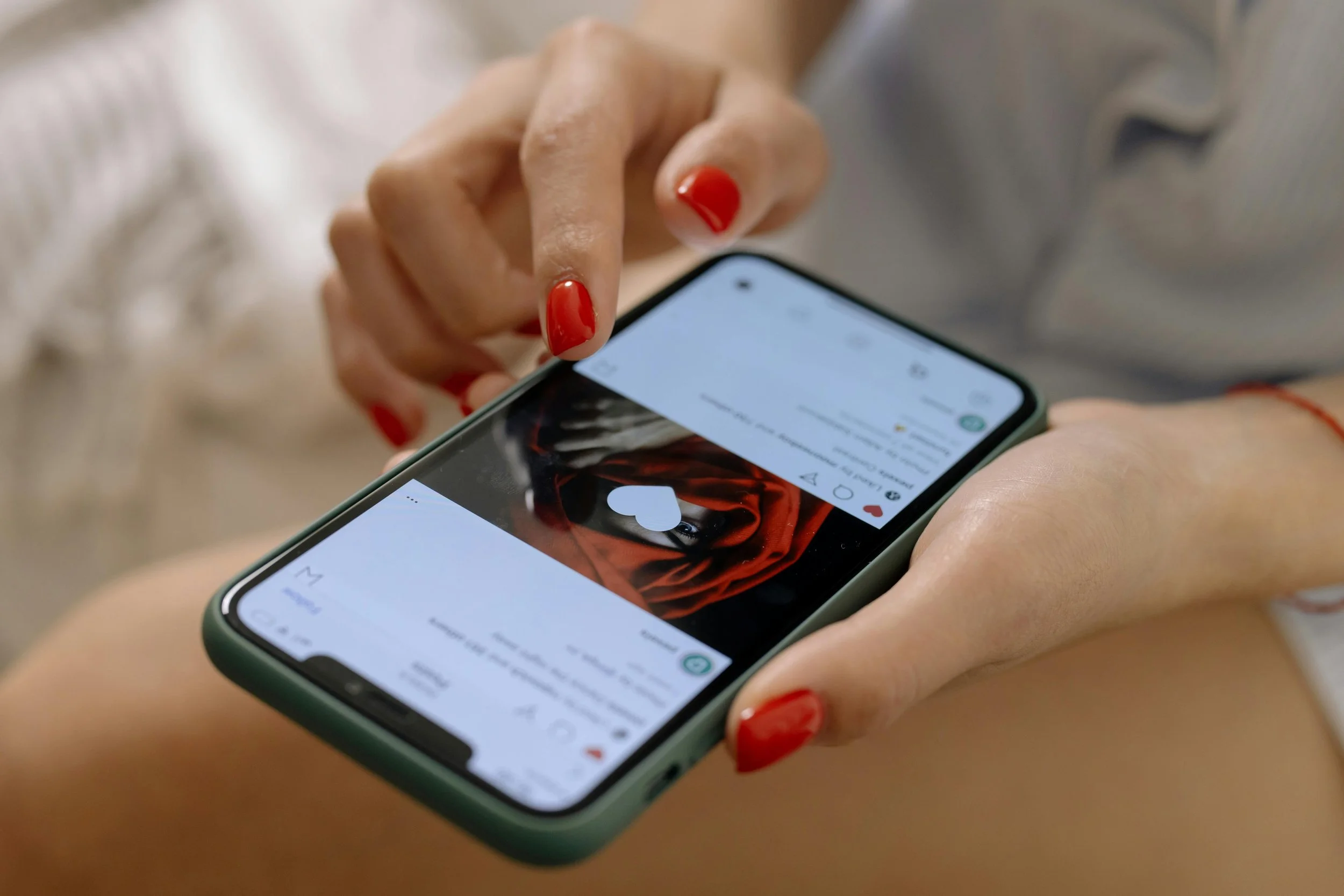
Your social presence is often your first impression. It’s where people go to understand not just what you do, but how you show up. They scroll through your posts, look at how you talk about your work, and notice how (or if) you engage with your community. All of that contributes to how your organization is perceived.
That is why social media must be viewed as an extension of your PR. It’s where your messaging becomes personal and interactive. It gives your audience a way to move from passive awareness to active engagement.
This is especially important for nonprofits and small teams where time and resources are limited. Social media is often the most direct and consistent way to communicate with a range of stakeholders. It allows you to reinforce key messages, respond in real time, and create a sense of accessibility that traditional PR alone can’t achieve.
And yet, it’s often treated as optional. Something to maintain when there’s extra time, rather than something to invest in strategically. The result is a missed opportunity. If PR generates interest but your social presence feels disconnected, you lose momentum at the exact moment people are paying attention.
When these efforts are intertwined, your brand experience becomes more cohesive and invites deeper connection.
The Gap That Breaks Momentum
The disconnect between PR and social media usually isn’t intentional. More often, it’s the result of limited bandwidth, competing priorities, or internal silos that separate responsibilities across teams or roles. But regardless of the cause, the impact is the same: inconsistent messaging and missed opportunities to build stronger relationships with your audience.
One of the most common challenges is treating social media as secondary. When bandwidth is tight, it’s often the first thing to be deprioritized. Posts become sporadic, engagement drops off, and the channel starts to feel like an afterthought. At the same time, PR efforts like securing coverage may continue in isolation, generating awareness that doesn’t lead to meaningful action.
Another issue is inconsistency in messaging. A strong media story might highlight a compelling narrative, but that story doesn’t always show up on social media in a meaningful way. Or social content may focus solely on updates and announcements without connecting back to broader storytelling. Over time, this creates a fragmented experience where audiences are left to piece together who you are and why they should support you.
To put this into context, imagine a nonprofit secures a strong local news story highlighting a new program launch. The coverage drives initial interest. People read the article and decide to learn more, so they head to the organization’s Instagram. But when they get there, the most recent post is from five months ago, there’s not a single mention of the new program, and there’s no clear way to engage or continue the conversation.
That gap creates a cliff where engagement drops off. The organization did the hard work of earning coverage, but without an inviting social presence, that attention doesn’t translate into outcomes like donations or sustained engagement.
While we’re on the subject, earned media coverage is often treated as a one-time moment, but it has a longer lifespan than most organizations give it credit for. Social media allows you to extend that coverage by sharing it, adding context, engaging your community, and reaching audiences who may not have seen it otherwise. Without that layer, the impact of PR is short-lived.
Ultimately, the cost is lost momentum. For many people, your social presence is where they go next when deciding whether to support you. If that experience doesn’t match the vibe of your PR efforts, it creates friction at a critical point.
A More Integrated Approach to PR and Social
Rather than treating PR and social media as separate functions, it’s more useful to think of them as complementary parts of the same system. PR helps shape your external narrative and build credibility, while social media reinforces it and brings it to life in a more ongoing, accessible way.
This doesn’t require a complete overhaul of your communications strategy, but it does require a shift in mindset. It means approaching messaging more holistically, ensuring what you’re sharing with the media is reflected across your both your owned and shared channels. It means thinking beyond individual tactics and considering the full audience journey from initial awareness through to deeper engagement.
It also means recognizing that social media is not just a distribution tool. It’s where relationships are built. It’s where your audience can interact with your organization, see your values in action, and build familiarity over time. When used intentionally, it becomes one of the most powerful extensions of your PR strategy.
Traditional PR still plays an essential role. Earned media builds trust in ways that owned channels alone cannot, offering validation and visibility that are difficult to replicate. When amplified and made more accessible through social media, a moment of attention becomes infinitely more durable.
If your PR and social efforts feel disconnected, you’re not alone. But improving the experience requires a more integrated approach, allowing them to work together more effectively and turn attention into sustained engagement.
At SolWoods Storyhouse, we approach PR and social as a unified storytelling strategy, helping organizations show up consistently and in ways that move people to act. If you’re looking to connect these efforts more effectively, explore our approach or get in touch.

Learn how an optimized, data-driven PR strategy helped Warrior-Scholar Project more than double earned media — without doubling the budget.